Styes, though small, can be extremely uncomfortable and even hurting. Understanding what causes them, their risks, and how to effectively treat them can relieve discomfort and prevent outbreak.Let’s explore these aspects to provide with valuable knowledge about managing styes.
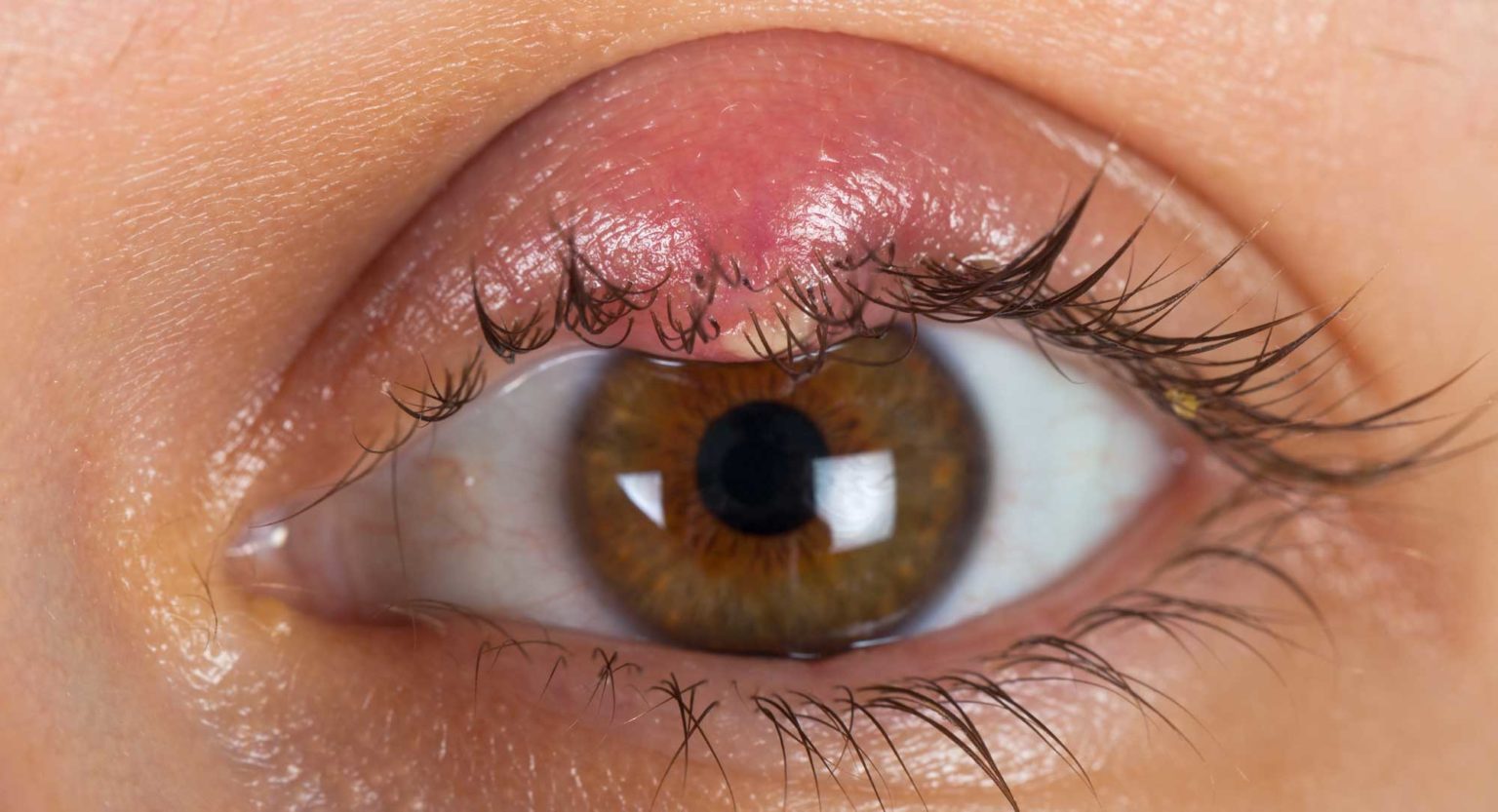
- Definition: Know what a stye is—an inflamed oil gland along the edge of the eyelid, usually caused by a bacterial infection.
- Symptoms: Consider common symptoms, such as redness, swelling, tenderness, and a feeling of grittiness or foreign body sensation in the eye.
- Types: Differentiate between external styes (happening at the base of an eyelash) and internal styes (growing on the inner surface of the eyelid).
Causes and Risk Factors:

- Bacterial Infection: Understand how bacteria, particularly Staphylococcus aureus, can contaminate the oil glands of the eyelids, causing stye formation.
- Poor Hygiene: Focus on the importance of good hygiene practices, such as regularly cleaning hands and getting rid of makeup before bedtime, to minimize the risk of bacterial contamination.
- Other Factors: Consider additional risk factors, including stress, hormonal changes, and underlying health conditions like blepharitis or rosacea, that may put at risk of individuals to styes.
Treatment Options:

- Warm Compresses: Suggest applying warm compresses to the affected eyelid several times a day to help relieve swelling, boost blood circulation, and enhance drainage of the stye.
- Eyelid Hygiene: Support gentle eyelid hygiene using mild soap or baby shampoo to wash the eyelid margins and get rid of debris or crusted discharge.
- Avoidance of Irritants: Recommend wearing contact lenses or eye makeup until the stye has resolved to prevent further irritation and potential exacerbation of symptoms.
- Medical Intervention: Consider the potential need for medical intervention, such as prescription antibiotic ointments or oral antibiotics, in cases of persistent or severe styes that do not respond to home remedies.
By exploring the causes, risks, and treatment options for styes, women over 45 can take immediate steps to prevent and control these irritating eye conditions.
Remember, while most styes resolve on their own with conservative measures, looking for medical advice may be necessary for persistent or recurrent cases.
