When we think of heart trouble, we usually imagine chest pain, shortness of breath, or high blood pressure—right?
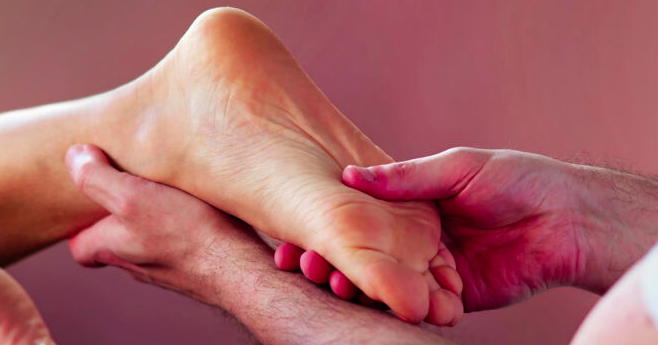
But here’s something surprising: your feet might be the first part of your body to sound the alarm. That’s right—those two at the bottom of your body could be giving you early signs of clogged arteries and heart disease.
Let’s break down why your feet matter so much—and what you should watch out for.
🦵 What’s Really Going On: PAD & CAD
Two major heart-related conditions often show up in your feet first:
-
Peripheral Artery Disease (PAD): This happens when plaque builds up in the arteries in your legs and feet, reducing blood flow.
-
Coronary Artery Disease (CAD): This affects the arteries that supply blood to your heart—but the effects can show up far away from your chest.
Both are types of atherosclerosis, where fatty buildup narrows your arteries. And both can have surprising symptoms in your feet.
🚨 PAD Warning Signs in Your Feet
PAD can sneak up on you, but here are some signs your feet might show:
-
Cold feet: If your feet feel like ice—even in warm weather—that could mean poor circulation.
-
Slow-healing cuts or blisters: Blood isn’t flowing properly, so wounds take longer to heal.
-
Leg or foot pain when walking: If walking makes your legs ache or cramp but resting helps, pay attention.
-
Discoloration: Feet that look pale, bluish, or purplish may not be getting enough oxygen-rich blood.
⚠️ Ignoring these signs can lead to serious problems like infections, tissue damage, or even amputation in severe cases.
And here’s something even more serious: if you have PAD, you’re also at higher risk for heart attacks and strokes—because the same kind of plaque may be blocking arteries near your heart and brain, too.
❤️ CAD Signs That Show Up in Your Feet
You wouldn’t expect heart problems to show up in your toes—but they can. Some symptoms include:
-
Swollen feet or ankles: This could be fluid buildup from poor heart function.
-
Tingling or numbness: Decreased circulation might feel like pins and needles in your toes.
-
Shiny or tight skin: That stretched look can be a result of fluid and poor blood flow.
-
Foot pain at night: If your feet hurt even while resting, especially at night, don’t ignore it.
-
Brittle toenails: When circulation drops, nails can thicken, discolor, or become fragile.
🛡 How to Protect Your Feet and Your Heart
Good news: these problems are often preventable—or at least manageable. Here’s how you can stay ahead of the curve:
✅ Move your body: Aim for 30 minutes of walking, biking, or swimming daily. It keeps your blood flowing and arteries clear.
✅ Eat smart: Fill your plate with fruits, veggies, whole grains, and lean protein. Skip the junk and processed foods.
✅ Quit smoking: Smoking damages blood vessels and reduces circulation—one of the biggest risks for PAD and CAD.
✅ Manage stress: Chronic stress raises blood pressure. Try meditation, breathing exercises, or just a calming hobby.
✅ Control your blood sugar: Diabetes raises your risk of foot and heart problems—so keeping it in check is key.
✅ See your doctor: Especially if you have high blood pressure, diabetes, or a family history of heart disease. Early detection can save your life.
👣 Listen to Your Feet—They Might Just Save Your Life
Next time your feet feel cold for no reason, or your toenails seem a bit off, don’t brush it off. Your body is talking to you. And your feet? They’re often the first to speak up.

Sophia Reynolds is a dedicated journalist and a key contributor to Storyoftheday24.com. With a passion for uncovering compelling stories, Sophia Reynolds delivers insightful, well-researched news across various categories. Known for breaking down complex topics into engaging and accessible content, Sophia Reynolds has built a reputation for accuracy and reliability. With years of experience in the media industry, Sophia Reynolds remains committed to providing readers with timely and trustworthy news, making them a respected voice in modern journalism.