The Place That Saved Me
I used to believe some places carried a kind of protection in their soil.
The farm had always felt like that to me — as if the land itself recognized me. I could walk its fields in the dark and still know where the ground dipped, where the fence posts leaned, where the barn door stuck in winter. The farm had raised me as much as my grandfather had.
I just never imagined I’d have to fight to remain there the same week we buried him.
When my parents were killed in a car accident on a rain-slick October night, I was twelve years old. The world ended in a hospital corridor. A social worker sat beside me, repeating words like “placement” and “temporary housing,” her voice gentle but distant, like she was speaking through water.
I stared at the floor tiles until Grandpa’s boots appeared in my line of sight.
“He’s coming home with me,” Grandpa said.
No paperwork arguments. No speeches. Just his steady hand on my shoulder, the smell of hay and peppermint gum, and the weight of certainty settling into my bones. The social worker nodded. The world rearranged itself.
From that day on, the farm became my entire life.
Growing Up Where the Ground Remembers You
The house wasn’t impressive. Paint peeled from the barn in long strips. The roof leaked every spring. The well pump rattled when it was tired. But everything had a story. Grandpa taught me how to read the sky before a storm rolled in, how to set a fence post so it wouldn’t lean, how to listen to the animals when something felt off.
When nightmares woke me, he’d sit on the edge of my bed and say, “You’re safe here, Kevin. Nothing touches you on this land.”
I believed him.
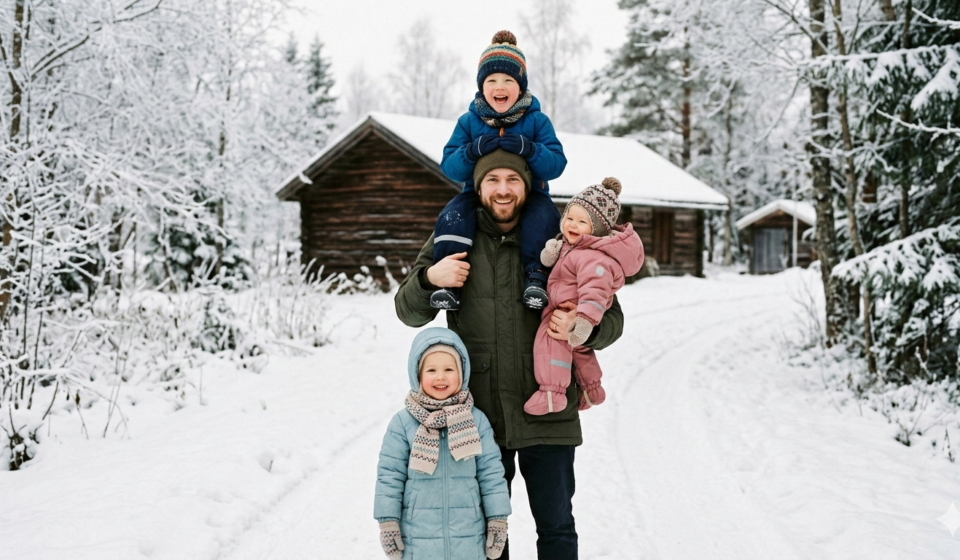
Years passed. I married too young. Divorced even younger. When my ex decided responsibility wasn’t for her and left, I came back to the farm with three kids and more shame than luggage.
Grandpa didn’t hesitate.
“More boots by the door means more life in the house,” he said, like it was the simplest truth in the world.
So we made it work.
Becoming the Caretaker Without Calling It That
About ten years ago, Grandpa’s health began to fade.
It started with little things: misplaced keys, forgetting whether he’d fed the horses. Then it became stairs he couldn’t climb without gripping the railing, days when his hands shook too badly to hold a wrench.
I stepped in quietly.
I ran the harvest schedules. Negotiated with suppliers. Balanced the books at the kitchen table after the kids were asleep. I drove him to doctor appointments. Cleaned wounds when his circulation worsened. I stretched grocery money thin to keep the same home he’d built with his hands.
When an early frost destroyed a harvest, I took out a loan and told no one but the banker.
The farm wasn’t a business to me.
It was family.
The Daughter Who Only Called When She Needed Money
Aunt Linda was another story.
She left town twenty years ago and never looked back. Said farm life was beneath her. Married a man in the city who sold commercial real estate. Her life became rooftop parties and spa weekends, at least according to the photos she posted.
She called Grandpa when she needed help paying off a credit card bill.
He always sent the money.
When Grandpa entered hospice, the nurse called Linda and said, “You should come now.”
She didn’t.
I sat beside his bed, holding his hand as machines hummed. He squeezed my fingers and whispered things like, “You’re stronger than you think.” I nodded because my voice wouldn’t cooperate.
Linda texted me once.
“Keep me posted.”
That was it.
He passed on a Tuesday at 5:12 a.m.
I felt his hand grow still in mine.
The Arrival That Felt Like an Inspection
Linda arrived that afternoon.
I heard her before I saw her — expensive tires crunching on gravel, a car door closing with authority. I stepped onto the porch and watched her step out of a sleek black Mercedes, oversized sunglasses hiding half her face. She wore a white blazer like she was headed to brunch, not her father’s home after his death.
She didn’t hug me.
She surveyed the property.
“Wow,” she said. “It looks smaller than I remember.”
For three days before the funeral, she moved through every room like an appraiser. Opened cabinets. Knocked on walls. Typed notes into her phone.
In the barn, she wrinkled her nose. “The smell alone will scare off buyers.”
“Buyers?” I asked.
She smiled thinly. “This land is worth a fortune now. Developers would fight over it.”
The night before the funeral, she cornered me in the kitchen.
“You have three days,” she said lightly. “To pack. Groundbreaking starts next week. It’s just business.”
Three days.
I had no savings. No backup plan. Three kids asleep down the hall.
“You can’t just throw us out,” I said.
She tilted her head. “I’m his only child. Once the will is read, it’s mine.”
She walked away humming.
The Will Reading That Changed Everything
Two days after the funeral, we sat in Mr. Henderson’s office.
Linda slid an eviction notice across the desk.
The lawyer didn’t even look at it.
“Actually,” he said calmly, “we won’t be discussing the property today.”
He placed a stamped document on the desk.
“Three days ago, your father didn’t own the farm anymore.”
Linda’s face drained of color.
“The farm now belongs to a protected family trust.”
When Grandpa’s recorded voice played, explaining his decision, something in me broke open. I realized he’d protected more than land.
He’d protected our future.
Linda stormed out.
The farm stayed.
What Remained
Three weeks later, the farm felt different. Not easier — but steadier.
Noah sat on my lap one evening as the sun dipped low over the north field. Emma leaned against my shoulder.
“We’re not moving,” I told them.
And for the first time since Grandpa died, the quiet felt like peace.

Sophia Reynolds is a dedicated journalist and a key contributor to Storyoftheday24.com. With a passion for uncovering compelling stories, Sophia Reynolds delivers insightful, well-researched news across various categories. Known for breaking down complex topics into engaging and accessible content, Sophia Reynolds has built a reputation for accuracy and reliability. With years of experience in the media industry, Sophia Reynolds remains committed to providing readers with timely and trustworthy news, making them a respected voice in modern journalism.