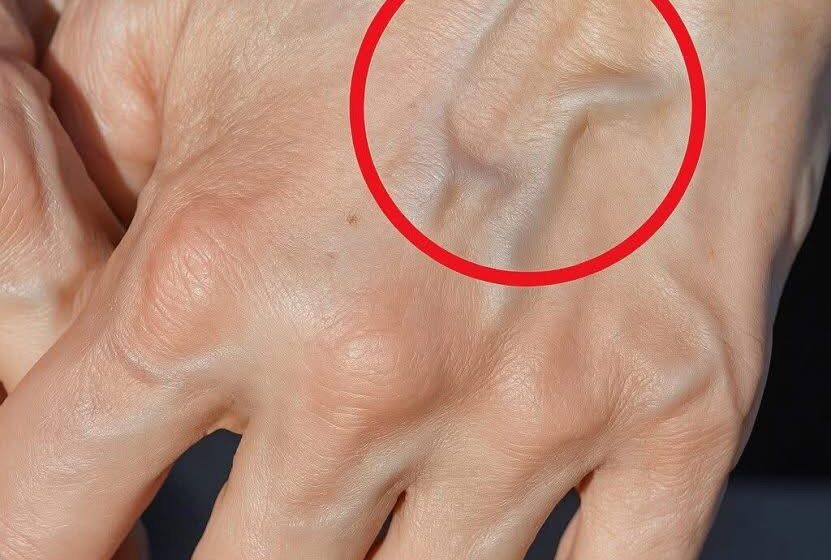
Noticing veins suddenly becoming more visible on your arms, legs, or chest can feel alarming. In many cases, however, visible or bulging veins are not a sign of illness. They often appear due to natural changes in the body.
That said, understanding why veins become more noticeable can help you recognize when the change is harmless—and when it may be time to consult a doctor.
What Makes Veins Suddenly Stand Out?
Several everyday factors can make veins appear larger or more prominent under the skin. These changes are often temporary and harmless.
Common causes include:
- Intense physical activity – Exercise increases blood flow and temporarily enlarges veins.
- Aging – As skin becomes thinner and loses elasticity over time, veins become easier to see.
- Warm temperatures – Heat causes blood vessels to expand, making veins more noticeable.
- Tight clothing – Restrictive clothing can affect circulation and make veins bulge.
- Genetics – Some people naturally have thinner skin or more visible veins.
- Higher body weight – Extra pressure on blood vessels can cause veins to expand.
- Excessive sun exposure – Sun damage weakens skin structure and can reveal underlying veins.
In these situations, visible veins are typically a normal response to physical or environmental factors.
When Veins May Indicate a Medical Problem
Veins play an important role in carrying blood back to the heart. When vein walls weaken or internal valves stop working properly, blood may begin to pool instead of flowing smoothly.
This can lead to enlarged or twisted veins known as Varicose Veins. They most often appear in the legs but may also develop in other areas of the body.
More noticeable veins can sometimes be linked to other conditions, including:
- Phlebitis, where veins become inflamed and painful
- Chronic Venous Insufficiency, which may cause leg heaviness, swelling, and fatigue
- Deep Vein Thrombosis, a serious issue involving clots forming in deep veins
- In rare cases, vein changes related to Liver Disease or other organ problems
While these conditions are less common, they may require medical evaluation and treatment.
Additional Symptoms to Watch For
Visible veins become more concerning when they appear alongside other symptoms. Signs that may indicate an underlying issue include:
- Persistent or unexplained swelling
- Skin that feels warm, tender, or painful
- Redness or discoloration spreading along the vein
- Hard or rope-like veins
- New or unusual vein patterns on the chest or abdomen
If several of these symptoms appear together, it is important to seek medical advice.
When to Contact a Healthcare Professional
You may want to consult a doctor if:
- Veins suddenly become very visible without an obvious cause
- There is ongoing pain, throbbing, or cramping
- The skin around the vein changes color or texture
- You have a history of circulation problems or blood clots
- You simply want professional reassurance
A healthcare provider can examine your circulation and determine whether treatment, monitoring, or lifestyle changes are appropriate.
Final Takeaway
Visible veins are often a normal part of the body’s response to exercise, heat, aging, or genetics. In many cases, they are completely harmless.
However, sudden changes, discomfort, or swelling should not be ignored. Paying attention to these signals can help you protect your vascular health and identify potential problems early.
If something about your veins doesn’t seem normal, seeking medical advice is always a safe and proactive choice.

Sophia Reynolds is a dedicated journalist and a key contributor to Storyoftheday24.com. With a passion for uncovering compelling stories, Sophia Reynolds delivers insightful, well-researched news across various categories. Known for breaking down complex topics into engaging and accessible content, Sophia Reynolds has built a reputation for accuracy and reliability. With years of experience in the media industry, Sophia Reynolds remains committed to providing readers with timely and trustworthy news, making them a respected voice in modern journalism.